
Types of Florida Grass

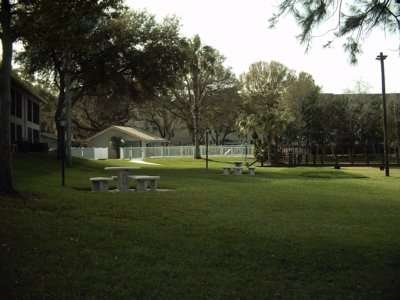
Types of Florida Landscape Grass and Lawns
There are different variations of types of Florida landscape grass and lawns. What type can be installed depends upon the types of Florida grass that are best suited for the location. A grass type can grow well in some areas but not good in others. Here listed are the most common types of grass found in Florida.
Most Common Types of Florida Grass
St. Augustine Grass
The most commonly planted turfgrass in Florida for home lawns and commercial properties. It is also used in Texas and other areas of the southern United States.
Known to be native to the Mediterranean coast and Gulf of Mexico, It has adapted to warm humid conditions and subtropical areas of the world.
St Augustine grass types can grow in many types of soils offering a dense thick green lush look.
It is established by planting sod.
Establishment from St. Augustine sod is quick and easy.
If renovation is needed St. Augustine plugs can replace bare areas as runners from their root system will fill in a location.
St. Augustine types of Florida grass are susceptible to the insect chinch bugs but can be eliminated with pesticides. St. Augustine lawns can bounce back with proper chinch bug control and treatment.
St. Augustine grass should be mowed at a height of 2.5-3 inches. Mowing should be done every 7 days during spring and summer, and every 14 days during winter.
St. Augustine grass does require proper, mowing, watering, and fertilization. With proper St. Augustine grass maintenance, you will have a successful vigorous green looking lawn.
St. Augustine Types of Grass
Floratam:
Floratam St. Augustine types of Florida grass is easy to establish from sod or plugs. A widely used residential and commercial types of lawn grass.
Most commonly used for home lawns of all types of St. Augustine grass. It has vigorous growth in warm weather during spring and summer. Growth does slow down during late fall and winter months. It has a period of dormancy during winter in north Florida. Frost and cold wind in winter can turn the blades purple to brown, but will return to green when new growth appears. It does require full sun to perform at it’s best, for it does not do well in shade.
Palmetto:
Densely spreading variety that has an aggressive growth habit. It has short leaf blades with a rich green color. Palmetto does well in full sun or partial shade. It has a good tolerance for cold weather. It can sometimes have problems with disease, especially during the humid, damp summer months.
Del-Mar:
Del-Mar is dark green in color, grows well in full sun, and has the best shade tolerance of all varieties of St. Augustine grass. It has good cold tolerance and maintains excellent winter color. Del-Mar is susceptible to chinch bugs, sod webworms, and brown patch disease. It has slow lateral runner growth, so grow-in from plugging or recovery from any damage may take longer.
Seville:
Seville St. Augustine variety is a semi-dwarf, fine-leaved lawn grass. It has a low dense compact growth habit, which makes it prone to thatch and shallow rooting. Seville has a dark emerald green color. It can be established quickly from sod, and plugs are fast spreading. It is also susceptible to chinch bugs and webworm damage. Seville grows well in full sun and has fair shade tolerance. It can be somewhat sensitive to cold weather.
Bahia Grass
 Bahia Grass, from Brazil, began being used in the United States in 1914 as a pasture grass and is mostly used in the southern states where sandy soils exist.
Through the years new types of lawn grass are being used for residential and commercial lawns.
It is established by planting sod or from seed. Bahia is a drought-tolerant…Good for infertile sandy soil… grass type. It does not form much thatch and does not need excessive fertilization.
However, Bahia Grass can turn yellow from lack of the nutrient Iron.
Weed control can only be done when adequate soil moisture is present, air temperature is between 60 and 85 degrees Fahrenheit, and the lawn is not experiencing any stress.
Only certain types of chemicals for weed control can be applied to Bahia Grass, it’s important to always read the label on any herbicide or “weed-feed” before applying it.
Do Not use any weed chemical not listed for usage on Bahia. Applying the wrong type of herbicide and applied incorrectly, will result in severe damage to a Bahia lawn or eventually killing it. Bahiagrass is not tolerant of saltwater.
It also does not tolerate any excessive amounts of foot traffic. Bahia Grass does not do well in shade, it requires full sun.
Bahia Grass should be mowed at a height of 3-4 inches during active growth. Bahia Grass can be difficult to mow when wet compared to other types of grass. It requires weekly mowing during summer months.
Bahia Types Of Grass
Common:
A common type of Bahia grass is light in color, coarse in texture, with an open and sparse growth habit. It is very susceptible to cold temperatures. Normally it is not recommended for usage as a home lawn. Generally used for roadside planting by the state or counties.
Argentine:
Argentine type of Bahia Grass is dense, thick, dark green in color, and is good for lawn use in many situations. It is cold tolerant and has the highest, insect and disease resistance of all types of Bahia grass. Argentine is the best choice for a home lawn of all the types of Bahia Grass.
Pensacola:
Pensacola Bahia Grass tolerates both hot or cold temperatures. It has excellent drought tolerance due to its extensive root system. It has longer and narrower leaf blades than Argentine. Because of its abundance of seed heads it is more suitable for roadside plantings, less desirable for home lawn usage.
Paraguay:
Paraguay also known as “Texas Bahia Grass”, has short, tough, hairy leaves that have a grayish tint. It is not cold tolerant and can have problems with dollar spot disease. It does not perform as well as Argentine or Pensacola.
Zoysia Grass
Several varieties of Zoysia grass are used for residential and commercial landscapes.
Empress variety can be used for home lawns, plus athletic fields and golf courses.
Zoysia grass can grow in different types of soils, handles full sun, and has good shade tolerance. Establishment is done by planting sod.
Once established it is a dense turf, that can resist most weeds and requires less mowing than other types of turf due to it’s slower growth rate. It can be mowed by using a rotary mower.
Zoysia grass mowed with a rotary mower should be done at a height of 2-3 inches. New lawns with Zoysia grass may take longer to establish than other types of Florida grass, sometimes up to two growing seasons.
Zoysia grass usually requires higher and more frequent fertilization than other types of turf, especially when the soil is low in potassium. It has a low drought tolerance due to its shallow root system and will recover slowly from drought damage.
Zoysia grass can be prone to Nematodes and several types of diseases. When properly maintained, Zoysia grass makes an excellent turf for home lawns. It is recommended to have a professional lawn care company maintain it for best results.
Zoysia Types Of Lawn Grass
Meyer:
Meyer has long been the standard Zoysia grass that is used for home lawns and commercial properties. It has a deep green color, and medium leaf texture, and spreads quicker than other varieties of Zoysia. It has less shade tolerance than some of the other varieties. It is a good cold-tolerant Zoysia grass. Meyer makes an excellent turf after being established.
EL Toro:
EL Toro Zoysia grass resembles Meyer but has a faster rate of establishment, improved cool-season color, tolerates cold better, and has less thatch buildup. It has increased shade tolerance and better resistance to rust disease than Meyer. EL Toro also greens up quicker during early spring. Used for residential and commercial properties.
Empire:
Empire Zoysia grass is dark green in color with a wide leaf blade and has an open growth habit. It establishes good, has aggressive growth once established, and performs well in sandy or clay soil types. Because of its broader leaf and open growth habit, it can be mowed by using a standard rotary mower offering a good cut and appearance. Empire Zoysia is great for home lawns. Very popular for residential properties.
Empress:
Empress Zoysia grass unlike Empire, is used for its fine-bladed texture and tight growth habit. It also has a nice green color. Empress is best suited where a fine, small-leaved, soft-textured turf is desired. It is capable of handling heavy foot traffic. It is widely used for home lawns, golf courses, and for usage on athletic fields.
Centipede Grass
The most common types of Florida grass used for homes in the Panhandle of Florida. It is well adapted to the climate and soil conditions of northern Florida, where it is generally used. However, it is also found to be used in some of the most northern central regions of the state.
Nematode damage has limited the usage of it in south Florida’s sandy soil. Because of its small region of usage, not many types have been developed. Contact the local county extension service in your area for varieties of cultivars available.
Established Centipede grass is a low-maintenance turfgrass, and has fewer fertility requirements.
Centipede grass is naturally lighter in color than other lawn grasses, and yellowing can occur during early spring when daytime temperatures are warm and nighttime temperatures are still cool.
As the soil becomes warmer temporary yellowing will end. Do Not over-fertilize it with nitrogen to turn it darker green. This causes it to be less cold tolerant and have excessive maintenance problems. Problems from over-fertilization such as diseases can occur during springtime, causing dead patches if left untreated.
Treatment with a liquid fungicide on diseased areas will be needed to stop dead patches from happening.
Centipede grass can be established by seed, sod, or plugs. Sodding establishes a lawn more quickly and makes it less susceptible to various stresses. For seeding use a good quality Centipede grass seed, with a purity of 90% or better and a minimum of 85% germination.
The best time to sod or seed is from April to July to allow a full growing season for establishment, and to avoid cold damage during the winter. Centipede grass that is actively growing needs to be mowed every 7-14 days at a height of 1.5 to 2.5 inches to keep it attractive and healthy.
It is a slow-growing turfgrass that grows close to the ground and is medium in texture. Centipede grass has fair shade tolerance and requires full sun to stay healthy and vigorous.
Bermuda Grass
Bermudagrass has been well adapted to the climates and soils found in Florida and southern states. It produces a vigorous, medium green, dense turf. It can be established quickly and is available as sod or plugs.
It has excellent wear, can handle drought conditions, and has good salt tolerance.
It does well in full sun or partial shade.
There are two types of Bermudagrass: “Improved Bermudagrass” and “Common Bermudagrass”.
Improved Bermudagrass:
Improved Bermudagrass is a fine-textured, soft, durable, dense turf.
It is used in the south on golf courses, athletic fields, and in some residential and commercial properties.
It is often found in landscapes as a home lawngrass for high-profile homes.
Improved Bermudagrass is a high-maintenance turf, due to the requirements and amount of care needed for it to be at its best.
When used as a home lawngrass, it is recommended to have a professional lawn care company maintain it properly. When maintained correctly it is a beautiful turfgrass, homeowners use it for that “golf course look”.
Common Bermudagrass:
Common Bermudagrass varieties are course-leaved, and not as a high-quality turf as Improved Bermudagrass.
It is lighter green in color and not as soft as the fine-textured Improved type of Bermuda.
Common Bermudagrass does not require the same attention, high amount of care and maintenance as Improved.
Common does not need the same amount of fertilization and watering as Improved. It is good for when a less costly type of Bermuda is desired, while less quality and appearance is acceptable. Common Bermudagrass is often found in pastures and along roadsides.
Seashore Paspalum
Seashore Paspalum types of Florida grass is becoming more popular in coastal regions. It is planted as a home lawn and for usage on golf courses.
It can be watered by using poor-quality water and is extremely salt-tolerant, which makes it an excellent type of grass for growing along seawalls.
Seashore Paspalum grows best in the summer months in warmer climates. It needs to be established by planting sod. It can maintain a consistent dark green color, with fewer fertilizer treatments than other types of turf.
It can receive heavy amounts of rainfall, which makes it great for tropical areas such as south Florida and the Keys.
Seashore Paspalum does need to have thatching done every year for it to grow at its best. It needs to be mowed at a level of 2 inches on a weekly basis.
Weed control needs to be done by only using chemicals that are labeled for it.
Final Thoughts
These lawn tips will help in making the choice of what types of lawn grass is best for you.
These are the most common types of Florida grass. They can be found in other areas of southern states. Each has its own characteristics and adaptability.

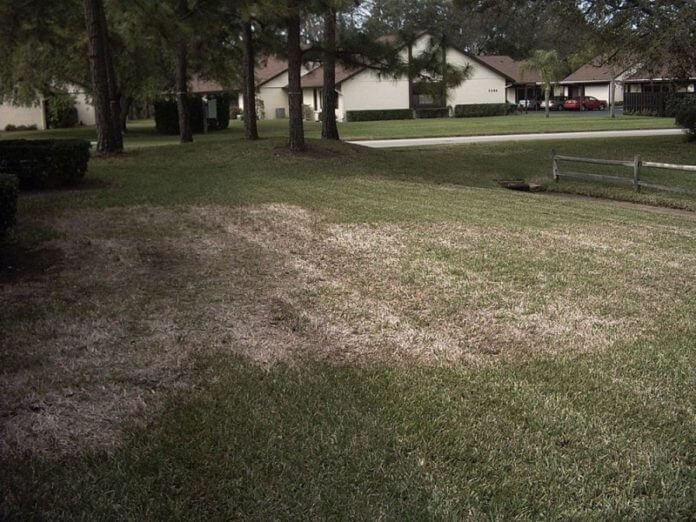
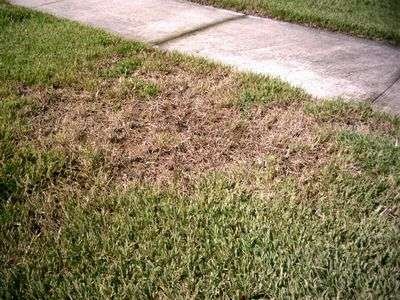

Hi we are resodding our lawn, and live in a hot area that gets full sun, but the sides of the house are shaded. We prefer the greener look and are having a sprinkler system installed, but beyond that we would like a low maintance lawn. Cost is important too. We are thinking of the Argentine Bahia because it is suppose to me low maintance, but I am not sure how nice it will look or is weed control would be a problem. We also heard that Empire is a really nice look, but I’m not sure about the sun or if this is a good choice. What do you think is the best lawn to sod?
Thanks,
TJ
TJ,
Here is some information on the advantages and disadvantages of Bahia grass, so you know what to expect. It is drought tolerant, has few problems from disease or insects. Does well in infertile sandy soil, does not require a lot of fertilization. Though the leaves will turn yellow when iron deficient.
Bahia does not do well in shade, prefers full sun. All types of turf grass will have weeds and weed control is needed. Bahia has a low tolerance for many weed control chemicals, so usage of a herbicide is restricted to one that is specifically formulated for Bahia. It does dot do well with heavy foot traffic like recreational activities.
Argentine has wide leaf blades with dark green color and forms a relatively dense sod. Has good insect and disease resistance, tolerates cold temperatures. It is a proven type of Bahia grass.
Empire Zoysia grass can have problems with fungus disease during the summer months, especially rainy season. Zoysia grass has good tolerance to shade and traffic. It generally requires a high level of maintenance. It is extremely slow to establish. Does well in sun,dark
green in color.
kurt
I’m looking for a good shade tolerant sod. I live in St. Petersburg, Florida.
Thanks,
Shay
Shay,
According to the Florida Cooperative Extension Service, St. Augustine grass type called “Delmar” is to have improved shade tolerance. Zoysia grass is considered shade tolerant but can be high maintenance.
Although, I have seen problems with any type of grass in total shade and homeowners wasting money installing sod that winds up dying . Especially under large oak trees. You might consider using Ground Cover. I have an article I wrote called “Ground Cover For Florida Landscaping”, under category “Florida Plants” which has information.
Thanks, Kurt
Not sure if i should do floratam, st. augustine or zoysia empire in my backyard. A buddy of mine just recently told me about zoysia empire & says he would def. go with that. I don’t know to much about it. Having a pool built which hopefully should be done in 4 weeks and need to landscape the back with new grass. Will only have about 600sq feet of grass to deal with. Any suggestions. I will have a irrigation system in the back.
Ron,
Both St. Augustine Floratam and Zoysia Empire are good choices. I don’t know the amount of sunlight the area receives. St. Augustine grass needs 6 hours of sun to perform at it’s best. Zoysia is more shade tolerant and will do better if area does not receive much sunlight. Zoysia grass does require more maintenance than St. Augustine grass. Zoysia has higher fertility requirements, poor drought tolerance, and slower recovery from damage due to insects and diseases as compared to St. Augustine. Once established Zoysia requires less mowing. When properly maintained Zoysia makes an excellent turf. St. Augustine sod is most commonly used because of it’s quick establishment and lower maintenance levels. Both will have to be treated for weeds, but less treatment is needed for Zoysia. DO NOT treat any new sod with weed control until after 30 days of establishment.
Kurt
Hey folks,
Just bought a house in the panhandle of Florida.
I’m starting from scratch, when is best time to plant seed and what grass shall I use?
The yard will have direct sun through 4pm and we do get a frost in the winter.
Dan,
The most common home lawn grass in the Florida panhandle is Centipedegrass. It is well adapted to the climate and soil conditions of northern Florida. It requires full sun which makes it good for your situation. It is a slow growing grass with low fertility requirements. It grows close to the ground, is medium in texture, and is naturally yellowish green in color. Many people will over fertilize it to obtain a dark green color, however this reduces it’s cold tolerance and increases long term maintenance. It can be established from seed, sod, or plugs, and it spreads by above ground stems. Sod produces the best quality lawn, by establishing more quickly and making it less susceptible to various stresses. When seeding use a good quality Centerpedegrass seed with a purity of 90% or better and a minimum of 85% germination. The recommended seeding rate is 4 ounces per 1000 square feet. Since Centerpedegrass seeds are small in size, mix the needed quantity of seed with 10-20 pounds of dry sand and spread the mix evenly on the soil. The best time to seed is from April to July, since this allows a full growing season for good lawn establishment, before winter weather. Fall seeding is undesirable because the young seedlings may not become established enough for the lawn to withstand injury from the cold during winter. Contact your local county extension service for more information on the different types of lawns in your area that you live in. There is a new variety of Centipedegrass called “Covington” currently being evaluated by the University of Florida that is greener in color, but not sure if it is available.
Kurt Kmetz
Kurt,
I’m looking for a nice soft “plush” style grass (when walked on) I’ve seen it here in Orlando a few times. It’s very fuffy and you almost sink when walking on it. I live in an area where the lawn gets an equal sun/shade exposure due to the trees around the edge. During peak sun times the grass is exposed, during sun up/down time it is shaded. I expect to mow regularly. Any Idea what kind I’m looking for? Prefer not to have the general standard St. Augustine, something different nice and green. Any suggestions?? Thank you.
Matt,
For me to determine exactly what type of grass that you are looking at, it would be better if I were there to see it. It could possibly be one of two different types of turf. Listed are two examples of types of turf that fit your description, with some information pertaining to each .
( One ) It could be Bermudagrass, it has some of the characteristics you have described. Bermudagrass establishes quickly, has excellent wear,and is drought tolerant. It generally has poor to medium cold tolerance.It requires the highest levels of fertilizer and chemicals to maintain of all types of turf. To achieve the best results with Bermudagrass, it is recommended to have a professional lawn care company maintain it.
( Two ) It could be a type of Zoysiagrass named Empress. It is a fine, small-leaved, soft-textured, deep green colored, type of grass. It does well in areas with full sun, as in shaded areas also. When maintained properly Zoysiagrass makes an excellent home lawn. Since Zoysiagrass can be somewhat difficult to keep in good shape all the time, I would also have a professional lawn care company maintain it, for best results and less problems for you.
For a lawn that fits what your looking for I would suggest to use Zoysiagrass type Empress, rather than Bermudagrass.
Kurt
My enclosed small backyard is mostly weeds. We just purchased the home in Jupiter and I want new sod. One company wants to spray and kill what is there now, and another wants to remove the weeds and grass and put down new turf immediately after leveling the area. Who is right? They are both the same price except for the weed/grass killer application.
Arthur,
The company that is offering to remove the weeds and grass plus level the area, sounds like the better choice. Leveling is important for new sod to have a good foundation so it can grow to it’s full potential. However, grading needs to be done properly for good drainage. Proper drainage is important so the area does not flood during heavy rains.
Food for thought: The company that wants to spray with a weed and grass killer should remove all the dead material, and level the area properly anyway. Spraying makes it easier and less labor intensive for them, but there going to charge you extra as you said.
Kurt
We bought our home in Citrus County almost two years ago, and the yard is pretty much all weeds – several different kinds – but no real grass to speak of. How do we start the process of creating a new lawn? How best to get rid of the current weeds, given that they cover everything? Also, would you recommend St. Augustine or Zoysia for Citrus County? Thanks very much.
Sheila,
Since your yard is mostly weeds first have them sprayed with a liquid herbicide (weed control). After the weeds die off you will see just how much grass you actually have and what areas need new sod.
If you decide to do it yourself, make sure you apply a chemical that can be used on the type of grass that you do have(to avoid killing any grass you have left). The labels on chemicals should list what types of grass they can be used on. It is very important to follow directions on the label for rate of application to avoid damaging your lawn.
It is also good to know the names of each different kinds of weeds you have so the type of chemical used will kill them all. They should also be listed on the label. Most likely you have different kinds of broadleaf weeds. If you feel uncomfortable about spraying it yourself I would hire a reputable state certified lawn spray company to do it.
If you don’t have any grass at all spray the whole yard with a weed and grass killer (like Roundup) before having new sod put down.
Both types of grass St. Augustine and Zoysia can be planted in your location. However, I would plant the same type of grass that you already have unless you plan on replacing your whole lawn. If you are going to replace your whole lawn with new turf what type to put down depends on certain factors, such as the amount of sun your lawn receives and the characteristics of each type of grass. For example, the most common type of St. Augustine grass used in Florida called Floratam, requires at least 6 hours of direct sun to do it’s best. Zoysia does better in shade but requires more care than St. Augustine.
There are different things that need to be considered when deciding on what type of grass to have installed. I have information on each kind in my article “Types of Florida Grass” to help you decide what would be best for you and your situation.
Kurt
Hello Kurt I am new to Florida and was wondering what the best Ph should be for health grass?
Marlman,
The pH levels differ among the types of turfgrasses in Florida. Here are the most desirable pH level ranges for the common types of grass used in Florida, for them to grow their best. For St. Augustine grass or Zoysia grass the pH level should be between ( 6.5 – 7.5 ) For Bahia grass or Centipede grass the pH level should be between ( 5.0 – 6.0 )
The most accurate way to find out the current pH level of the soil in your yard is to take a soil sample to your local county extension service for testing. Take a soil sample from various areas in your lawn and fill up at least a quart size Ziplock plastic bag all the way. If the soil pH level needs to be adjusted they will tell you what needs to be done as far as what chemicals to be applied.
Kurt
Kurk,
I live in Nassau County (inland). I am reclaiming some of my land that has been under oaks and gum trees. What is a good first grass for a lightly shaded area like this.
Thanks,
Tim
Tim,
Zoysia grass grows best in shaded areas as long as it is maintained properly. St. Augustine grass does not do well in shade since it requires 6 hours of direct sun to perform at it’s best. Bahia grass does not do well in shade for it also needs a good amount of direct sun.
It is difficult to grow grass in areas closest to the trunk of oak trees due to their root systems. Generally turf will be sparse in these areas. Grass does better further away from the trunk underneath the outer areas of the tree canopy.
Kurt
Kurk,
My family and I are moving to Dunedin, Flordia and are starting from the beginning. The home we are moving into was moslty use for gardening vegetables and berries. They have taken out most of it leaving a few berry brushes. The soil on top is sandy and the lawn gets alot of sun with minimal shade by the few trees that are there. We are looking to cover the area with grass that would deal well with lots un and lots of foot traffic (kids) as well as low cost. We would like to seed the yard verus sod. Any suggests would be a HUGE help.
Saran,
The best type of lawn in Florida that can handle heavy foot traffic, is a variety of “Zoysia” grass named “Empress”. However, it has to be established by planting sod. A type of home lawn that is the cheapest to install and can be establish from seed, is a variety of “Bahiagrass” named “Argentine”. However, it probably will not be able to take excessive amounts of traffic. Both can take full sun.
The most popular and most widely used turfgrass in Florida is “St. Augustine” grass which needs full sun, but I don’t recommend it having excessive amounts of traffic like playing any kind of sports activities. It it also established from sod. If it is not a large area it can be established from grass plugs which is cheaper, but will take longer to become fully established.
Kurt
Kurt,
My lawn in Palm Harbor (Clearwater/ Tampa area) is all sand and stubbly, rough, crab-grass style weed-like things. There are many dead spots and heavy shaded areas. Is there a type of grass that will look as full and soft and green as grass in the Northern states without needing sod or a huge amount of maintenance and start-up fees?
Thanks!
Ginger
Ginger,
Lawns in Florida are different than the types found in the northern states. A lot of this is due to the soil conditions and the extreme heat and humidity, so only certain types of grass can be grown here. The types of grass listed in my article are used because of their adaptability to Florida.
Where you live the most commonly used grass is St. Augustine Grass, but it requires some full sun since it does not like shade all the time. For yards in your area that are shaded Zoysia Grass is used, for it can handle the lack of direct sunlight. A type of Zoisia grass named “Empress” is thick, soft textured, with a nice green color. Both St. Augustine And Zoysia are installed from sod however, St. Augustine can be installed from grass plugs which is cheaper. Both do require regular maintenance.
Bahia Grass is also used in your area of Florida, which can be established from sod or seed. Bahia does not require as much maintenance as the other types, such as fertilization. However, it does not do well in extreme shade. Only certain kinds of chemicals for weed control can be used on Bahia, it is important to use a product that is labeled for it and to follow the directions.
The cost of installation done by landscaping companies varies, some are more expensive than others. The quality of work can also vary among landscapers. Since you have mostly weeds and crabgrass, your yard needs to cleared out before any installation is done. You can treat your yard yourself with a “Weed and Grass Killer” to remove everything, to save money. IT IS IMPORTANT TO READ THE LABEL and follow the directions, before any installation is done.
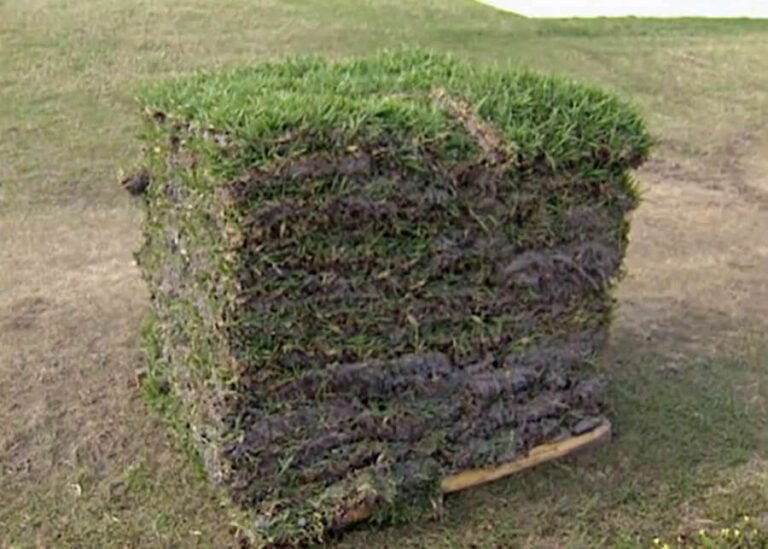
Some homeowners put down sod themselves to save money, depending on the size of the lawn. Sod companies sell sod by the pallet and will deliver them to your home.
All types of lawns in Florida do require the proper maintenance for each of them to perform at their best. Information on the types of grass I have mentioned is found in my article “Types Of Florida Grass”. Plus, on my web site under the category Lawn Care Tips I have articles named “Planting Grass”, “Lawn Maintenance”, and “Fertilizing St. Augustine Grass”. The categories Lawn Pests and Insects, and Lawn Disease also have articles on lawn care.
Kurt
Hi,
I live in Jacksonville florida and have full sun for most of my yard. I am not at the beaches area with lots of sand so it is normal dirt likely with some sand.
I need a grass that will root out the weeds in my yard, be low maintenance, and keep weeds from coming in. Just something to look nice. I have replaced st. augustine sod 3 times and it just doesn’t cut it. Again, my yard is full of weeds and no grass. Please help. I would like to spread seed and rake up the weeds a bit..
Thank you,
Stacie
Stacie,
Before you begin to establish a new lawn I recommend removing all weeds, and any grass that is still left. The easiest way to do this is by spraying them with with a liquid “Weed and Grass Killer”, which can be found at most garden centers. After all weeds and grass are dead remove them with a garden rake. The directions on the label will tell you how long to wait before doing any installation whether by seed or sod.
A low maintenance grass, thick with a nice green look, takes full sun, does well in any soil type, that can be grown from seed, is a type of Bahiagrass named “Argentine”. It also has a good insect and disease resistance, plus tolerates cold well.
As far as weeds go, unfortunately no matter what type of turf one has weeds will pop up. It is almost impossible to have a lawn completely free of weeds all the time. Some form of weed control is needed to keep them from spreading and taking over.
Plus, it is important to use a chemical for weeds that is labeled for the type of grass being treated to avoid damage to the turf. Especially for Bahiagrass, only certain kinds of herbicides (weed chemical) can be used on it. Read the label before applying any kind. You can contact your county extension service for exact herbicide recommendations.
The best time of the year to install a new lawn in Florida is in the springtime, so it has enough time to become fully established before cold weather arrives. Cold weather can hurt it’s establishment or possibly damage a new lawn. You might want to wait until then to be on the safe side.
Kurt
Kurt,
Thank you so much for the quick response. Is Argentine a fast growing grass that requires lots of mowing? Does it need a rotary cutter?
I was looking at the Zoysia also… I realize all grasses will have some weeds but just trying to get the easiest one to keep my HOA happy without too much water, and low maintenance.
I have an autoimmune condition and try to use little or all natural pesticides as well. Soaps, perfumes and chemicals are a severe issue and I am trying to detox my organs already of the accumulated pesticides and other exposures.
Your insight is so much appreciated .. thank you again!
Best Regards,
Stacie
Stacie,
Here is some information pertaining to the two types of grass you mentioned, to help you decide.
Bahiagrass requires the least amount of fertilization of all types of grass in Florida, and does not need as much watering. Bahiagrass is one of the most drought tolerant grasses. During times of active growth it needs to be mowed every 7 to 10 days at a height of 3-4 inches. It has a tendency to grow quick in the rainy season and can be difficult to mow when wet. It can be mowed using a rotary mower. Weed control needs to be done using only a herbicide specifically for Bahaigrass.
Zoysiagrass generally requires a higher level of fertilization (more frequent) compared to other types of turfgrass. It needs regular watering since it has a shallow root system. Plus, it has a poor drought tolerance. It is a slower grower compared to other types of turf.
Zoysiagrass when fertilized as recommended should be mowed during the summer weekly at a height of 1-2 inches for it to look at it’s best. It can be mowed using a rotary mower. Make sure the blade is kept sharp for the best cut. Since it is a dense lawn it can resist weed invasions better than most types of lawns. Usually the same type of herbicide used on St. Augustine grass can be used on Zoysia.
Concerning your condition to chemical exposure, I don’t know what products (brand names) of natural pesticides or herbicides that can be purchased at garden centers, to recommend for you to use. I know some lawn companies are now using natural organic products to treat lawns with. You might want to inquire about them.
Also, when I had worked for lawn spray companies there was a program the state of Florida had, where we had a list of names of chemically sensitive people registered with the state. We had to call them prior to treating any lawns in their area. You can call the extension service for information.
Thank you for your comments and I hope this information will be helpful,
Kurt
Kurt,
Your info was great. Sounds like I need to go with Bahia. I do not have a rotary cutter though. Can the Bahia be cut with the regular lawn mower?
Is the extension service # on your website or another site I should look up online? I definitely want to get my name listed on this and had no idea this was available. Thank you so much!
Peace & laughter,
Stacie
Stacie,
Bahia can be mowed with any regular mower like the one’s that are sold at Home Depot, Lowe’s, or any business that sells mowers. I’m sure that is the kind that you have.
For your extension service number…On my website go to the home page and scroll all the way down to the bottom as far as you can go… You should see “Links”. Click on the University Of Florida. You will come to their website “Solutions For Life”. You will see in the second paragraph a link in blue “county Extension office”. Click on it and you should get a listing of counties. Hopefully yours will be listed.
If not look in your phone book under County Govt. for a number to call. I’m sure if you call any one of your local county Govt. numbers they can lead you to the extension service. Plus you could try any State Govt. number.
Kurt
Hi Kurt,
Thank you for your site! I live a mile from the Atlantic in Hollywood, FL and have a lawn of St. Augustine. Since we are so close to the water table our lawns usually do very well, until a new neighbor moved several years ago. This whole summer he let his entire lawn go to weed and now we are all paying for it with yards full of weeds we’ve never seen before and tons of them! What’s even worse is that he decided to grow Bahia grass in his back yard, or I think it’s Bahia. It’s a very tiny and vine like. My back yard is now a disaster because his Bahia has invaded the entire middle, and is spreading throughout my entire lawn. It has gotten under the St. Augustine, and has lifted it up. Now the SA is growing sideways instead of up and the whole back yard is like walking on a 6” sponge. I mow but now all it does shave and burn the SA and. I can’t hardly stand to walk across it because it’s so ruined and sponge like. I would very much like to know if there is any way to kill the Bahia without killing the SA. This problem might invade us all in the neighborhood. Thank you for your time. ~Kim
Kim,
There is a way to kill off the Bahia without killing your St. Augustine grass. Most weed chemicals that are labeled to be used on St. Augustine lawns cannot be applied to Bahia lawns also. The chemical will burn the Bahia. Check the label on a weed chemical made for St. Augustine and see if Bahia is listed. If it is not then that product should do it. Plus, sometimes it might actually say on the label Do Not Use On Bahia! Just apply the weed chemical for St. Augustine at the normal rate stated on the label. Do Not use it at a higher rate than recommended.
I know what you are going through! It’s hard to keep one’s lawn in good shape when an adjoining neighbor neglects theirs. When I worked for lawn spray companies I had customers who were in the same situation.
Kurt
Hi, I live about 2 blocks from the east coast of florida in St. Augustine. What would be the best grass to grow? 95% of yard gets full sun all day. Sandy, low nutrient soil. Thanks
Jake,
Centipede grass and St. Augustine grass are two types of Florida grass that grow well in full sun all day. They should be common to the area where you live. Here is some information on both kinds of turf.
Centipede grass is adapted to the climate and soils of northern Florida. It is the most common home lawn grass in the Florida Panhandle. It has a lower fertility requirement compared to other Florida lawn grasses.
Centipede is naturally lighter green in color than other lawn grasses, so people have a tendency to apply excessive amounts of nitrogen to make it greener. However, this reduces it’s cold tolerance and causes it to have problems. I don’t recommend over-fertilizing Centipede grass.
St. Augustine grass is the most commonly used lawn grass throughout the state of Florida. It can grow satisfactory in a wide variety of soils, such as sandy soil. It has adapted to the climate regions in Florida. It does require a regular program of fertilization for it to look it’s best.
St. Augustine grass does go dormant in the winter in some areas of north Florida. Extreme frost during the winter can turn the blades on St. Augustine grass purple to brown, but that does not mean the grass is dead. The lawn should turn green again when new growth appears.
Both types of grass are NOT drought tolerant, so they will require the proper amount of watering if drought conditions occur. Plus, both need to be maintained properly for them to perform at their best. Both are established best by planting sod. I recommend installing a new lawn in the springtime or early summer.
You can contact your local county extension service for any information on lawns in your location.
Thank you for your comment,
Kurt
Hello again Kurt. I am going to aerate a St Augustine lawn with aerator. I know there is no seed.,only plugs and sod. Is there a seed or seeds u would recommend to fill in bare spots? Thanks..
Marlman,
You can fill in the bare spots with Annual Rye Grass seed, if it is available right now at any of your local garden centers. Usually they start to sell it at this time of the year. Make sure you put the seeds down only in the bare spots and do not spread it all over the lawn. When winter is over and spring arrives the rye grass will die off, so eventually you will have to fill in those areas with plugs or sod.
I don’t recommend putting sod down in large areas at this time of the year, wait until spring time so it will become established better. You could put plugs in if the bare spots are small, but do it now for if you wait a few weeks they will take longer to spread, since the growth rate for St. Augustine grass will start slowing down in December. After then the lawn won’t start growing vigorously again until March.
As far as aeration is concerned it is usually done in Florida during the end of February, right before spring. I recommend waiting until then. The ground will become hard and compact over the winter anyway, which defeats the purpose of doing it. Plus, when it is done in February it gives the lawn a good foundation for the spring and summer ahead.
Thankyou for your questions and comments,
Kurt
Hello Kurt
I’ll wait till Feb to put St Augustine sod and aerate. I was thinking of getting power rake to losen bare spots and put down rye grass.,it is recommended? seems to be a problem reading your website to those chince bugs. It is a good time to put insectcide down?
Thanks again…..
Marlman’
Good choice on waiting to put sod down. If you live in north or central Florida install the sod after the second week of March. If you live in south Florida you can put the sod down as soon as February is over.
That’s a good idea to rake the bare areas to loosen the soil before seeding. That will help produce furrows into which the seeds are planted. Using a heavy garden rake should be sufficient. Go ahead and put insecticide down on the entire lawn now, since chinch bugs could still be active. Sometimes it seems they never go away.
I have an article titled “Chinch Bug,Insect Control” listed under site category “Lawn Pests And Insects”. The categories are on the right side of each page on the website. Click on the category and the article is the second one. Just scroll down to see it. Plus, at the beginning of my article “Types of Florida Grass” you can click on the blue writing “chinch bug control and treatment” that is underlined, for a link to the article on chinch bugs. It should go right to it.
Keep on growing,
Kurt
Kurt,
Help! We’ve lived in the Florida Panhandle Gulf Coast area for 17 years and have battled our turf for 17 years. Our large yard has areas of beautiful Oak and Hickory trees as well as non shaded areas. We literally have to re-sod every two years no matter what we do. We’ve tilled the yard up, added new soil, sent samples off to the county extension to no avail. PH is good, no bugs but our grass still dies. Have always had St. Augustine grass. It’s spring and time to start over again. Any ideas?
Julie,
St. Augustine grass does not grow well underneath trees with large canopies, especially large Oak trees. St. Augustine grass needs Full Sun for a good 6 hrs.to grow at it’s best. Generally when grown underneath large trees it will be thin and sparse, or eventually dies off.
Not only it is not receiving the proper amount of sunlight, the leaves Oak trees shed covers the grass and chokes it out. Plus the large root systems Oak trees have will take away most of the nutrients from the soil. As far as the non shaded areas perhaps all they are getting is filtered light.
As far as what other choices of types of grass to replace the St. Augustine grass: Where you live in the Florida Panhandle the most widely used lawn turf is Centipede grass, but it also needs full sun to stay healthy and vigorous since it has fair shade tolerance. Bahiagrass needs full sun for it to do it’s best. Zoysiagrass can do better in shaded areas. One type of Zoysiagrass named El Toro does have increased shade tolerance.
Before going out and buying new sod I would contact a honest reputable sod company to see what they would recommend. Keep in mind sod companies main goal is to sell you sod and don’t let them sell you sod that won’t work. Ask for them for a guarantee backing up any advice, or installation charged to you.
I understand what your going through spending all this money and having no success, which you can’t keep doing every year. I have seen this situation before, a homeowner constantly trying to grow a lawn underneath large trees and having no luck. They either give up and leave the areas underneath trees alone, or wind up redoing their landscape. By either having some of the trees removed, or limiting the areas in their yard for turf by planting shade tolerant ground cover in the heavily shaded areas.
If you decide to have trees removed I would take out the Oak trees and leave as many of the Hickory trees as possible.I would review the cost before doing any type of renovation in your landscape to see which is more cost efficient for you. Of course it also does depend on what you want in your landscape, more or less turf areas. I hope this information will be helpful for you.
Kurt
Hi Kurt,
I moved into a new house in Dec 2010 (an unusually cold winter in Jacksonville that had 3 freezes in Dec). We had issues with our sod not turning green when Spring came around but with the help of service from Scott’s lawn and a better watering schedule, most of the lawn was green again by May-June the following year. To be specific, the areas outside the fence turned green better than the areas inside the fence. We thought it might be an issue with the lawn service skimping out on treating the grass on the inside of the gate. We have St. Augustine grass but I’m not sure which type. The area that doesn’t look good is my backyard which receives direct sunlight most of the day. No trees. After reAding your article and various posts to other readers, I now think my big bare spots in my backyard are from when we have the bounce house up for the kids. Typically 3-4 times a year but its up most of the day.. i also have a dog. There is way more foot traffic and direct sun in the backyard.
I have huge dead spots in the backyard which are dried out and to rake up. We were told to rake up the dead spots (very challenging) and put dirt down to fill in the spots and the grass would spread. it didn’t help much.
Should I replace the dead grass with Bermuda since its more tolerant to traffic? Is it okay to have two types of gtass? The area of the backyard that actually is green is only the areas along the perimeter of the gate. I want to start off by addressing the huge bare/dead spots knowing that ill have a bounce house up for the kids a couple times a year (we own one) and more toddler foot traffic when the weather is nice.
I have a Pro Plugger and was considering buying sod and making my own plugs to put in the bare spots to make it he project a bit more cost effective. Plus seeding? I would say that 60% of the backyard needs to be addressed but the spots where the bounce house were are the worst.
Please advise on the most cost effective solution, the type of grass and method (sod, plug, seed) given the toddler and dog traffic and heavy sunlight.
Thanks so much,
Sharon
Sharon,
St. Augustine grass cannot handle heavy amounts of foot traffic, regardless of the type. That will cause it to be thin and sparse and eventually start to die off creating dead patches, which you are experiencing. No matter how much and what type of care the turf receives, until the heavy traffic stops that area will continue to have problems.
A bounce house will cause any type of turf to have problems, because it suffocates the grass from receiving air. Even if it is there for only a short period of time, after taken down that area will most likely need to be treated for it to return to normal.
I would not recommend planting Bermuda grass since it is a different type of turf than St. Augustine grass, when it comes to care and maintenance. Plus, it will spread to other areas of the lawn when mowing is done. It is not good to have the Bermuda mixed in with the St. Augustine.
There is a type of Zoysia grass named Empress that can handle heavy foot traffic. It is used for athletic fields. Zoysia grass is almost the same as St. Augustine in appearance, care and maintenance. It should not spread to other areas of the lawn. However, Zoysia does need more frequent fertilization for it to perform at it’s full potential. It is established best when planted by sod. I think it should be available where you live. I recommend letting any professional lawn care company know if and when it is installed, so it can be treated correctly.
Kurt
P.s. we also had issues with chinch bugs so I was also considering Zoysia grass.
Sharon,
Chinch bugs are very prominent in Florida. Even though by having a lawn care company they can still pop up now and then, since chemicals effectiveness lasts only for a certain period of time and they can come from other adjoining neighbor lawns. However, lawn companies can kill chinch bugs with the chemicals they use as soon as it is treated. Sometimes it may two treatments depending on how bad the chinch bugs are. If any activity is noticed contact them as soon as possible so they can come out and take care of it before it becomes an infestation.
I have a link in blue (chinch bug control and treatment) at the beginning of my article “Types of Florida Grass” which goes to my article “Chinch Bug, Insect Control”. There is information in my article on what to look for and how to identify them when they become a problem. This article is found under the category “Lawns”.
Kurt
Hi,
I live in SW Florida, zone 9-10 (depends on how the winter decides to be some years).
My lawn on the sides of my house get constant hot sun 1/2 of the year and then constant bright shade 1/2 of the year. I need to figure the best grass to use for some sandy patches that are near a down-slope, so the pure sand will stop washing away.
Also not sure what type of grass my one neighbor uses (it looks thick, dark green with wide blades). Seems like some of it has grown into my front yard (hottest sun in the evening), which I’m glad, because that grass makes part of my front yard look good. That grass sure looks thick though.
Chris,
A type of turf that can grow in sandy soil, and performs well in full sun or shade, is named Zoysia Empire. It is dark green in color, thick with a wide leaf blade. It has an aggressive growth rate. It establishes best by planting sod. It does need to be fertilized on a regular basis for it to be at it’s full potential.
As far as the grass your neighbor has, it might be the same type as I just mentioned. It would be easier for me to identify exactly what type of turf it is, if I could be their to see it first hand.
Thank you for your comment,
Kurt
Hello Kurt,
I just moved to Clewiston, FL, a little town near Okechobee lake a few months ago. I have a huge wrap around yard, the back and front area are separated by a fence. I’m not putting grass in the back portion of the yard for many reasons. In the front I do want to grow grass, I have no clue on how to choose or take care of grass other than I know it usually is a very high maintenance project. I do have a ton of weeds in the entire yard(the house was empty for over a yr), I made a homemade weed killer off of vinegar and dish washing soap because I’m avoiding chemicals, besides a dog I have a young child.I know I have to kill the weeds and remaining grass, then remove everything and level my yard, right? so my questions are, how effective do you think that homemade recipe for weedkiller will be and what would be the best grass for this area, the sun is pretty brutal here but it does rain some. I’m a stay at home mom so I do have some time for lawn care but I do tend to a ton of other stuff sooo it can’t be super high maintenance and it doesn’t have to be a super fancy, shmancy type of grass, I just want something that will look nice and well taken care of to match a taken care of house and my sunflowers garden in the front of the house. Thank you for your help and love your site 🙂
Vee Bush,
That is true you will have to remove all the weeds before planting new grass. I’m not sure how effective using a mix of vinegar and dish soap will be, since I have never seen anyone apply it to weeds before. Weeds in Florida sometimes need repeat spraying to completely eliminate them, even with chemicals used by lawn spray companies, that’s how difficult they can be. Try it and see how good it works, but you might need to use a chemical herbicide to get the best results. By following the directions on the label it should be safe to use.
To make it easier for you, before removing all the grass, spray the weeds first, and after getting rid of them see what grass you have left. This way you would only need to plant sod in the bare areas, thus saving money. Be sure to plant the same type of grass that now exists. When using a chemical herbicide to kill the weeds only and not the grass also, use a product that can be applied to the type of grass you have. It should say on the label what type of grass it can be used on.
If you want to remove everything and start over with a whole new lawn, the easiest way to remove everything is by spraying a grass and weed killer like “Roundup”. When used properly by following the directions it should be safe to use. Otherwise the areas will need to be dug up and raked out by hand, which is a lot of work. You are right to level off the areas (graded) before planting sod. Keep in mind proper drainage when leveling.
The most common type of grass used for homes in Florida is St. Augustine grass Floratam. Information on it is in my article “Types of Florida Grass”. It has a nice dark green look and thick. It is established best by planting sod. This might be the type already in your yard. It needs full sun to do it’s best, which you said you get. It can be easy to maintain as long as it is fertilized and watered properly. I have information on my website about St. Augustine grass pertaining to planting, maintenance, and care, in my articles that are found under the category “Lawns”.
Thankyou for your comment,
Kurt
Hi Kurt I live in south Florida and need help I don’t know what kind of grass seed to get for my sun filterd back yard. I have 4 big dogs and they love to play which tears up my grass. We planted winter rye grass and it was realy pretty but as you know it’s dyeing now and I need a lawn that has a deep root system and needs no fertilizer. I dont mind cutting it but realy need a fast growing grass. I dont want to plant sod. PLEASE HELP THANKS.
Debbie,
A type of grass that can be grown from seed, grows faster than most other types of turf, does not need much care, is Bahia Grass. It does need some sun to do it’s best, so depending on how much light your back yard gets will determine how well it will perform. As far as your dogs tearing up the lawn, you will have to keep reseeding to maintain it. Here is information on two types of Bahia Grass.
The most widely used type of Bahia Grass for home lawns is named “Argentine”. However, it does best when fertilized in the spring and fall.
There is a type of Bahia Grass named “Pensacola” that has an extensive root system, good for drought conditions. It is used for roadside plantings by the state and counties, since they generally do not fertilize or water grass they install.
In your situation with heavy foot traffic, not wanting to plant sod, desiring a lawn that does not need fertilization, there’s not much to choose from.
Kurt
Hello Kurt,
I leave in Tampa, FL. and planted Argentine Bahia in my backyard, but I have a large Magnolia tree that gives lots of shade and my grass does not grow well under the tree. This year my husband cut many of the larger branches, so now we have sunlight starting around 3PM in the afternoon until 7PM. Is this enough Sun Hrs.?
We will like to sod the area again with Argentine Bahia since is low maintenance and does not require much water and like you said this type of grass does not have many insect problems, actually we never had any. We put a weed and feed fertilizer for Bahia grass in September and then March, the grass is now very green in areas where is sunny, like in my front yard.
But still has some weeds that I was not able to kill. I used weed and feed for Bahia in March then in April. Then I seeded two weeks later.
Do you think I can still try this again, since is already end of May? or it may be too much?
I also used Melorganite a fertilizer around December or so.
You suggested some Ground Cover to someone, and I can’t find the article. Can you tell me if this is an option for me if the sun hours are not enough for Argentine Bahia? which kind and is it low and can be walk on?
I will appreciate any suggestions.
Thanks so much
Raquel
Raquel,
It is hard to grow turf under large tress such as a Magnolia tree, due to the light conditions and the extensive root systems trees have. That was good that the branches were cut as you did so the area can get more sunlight for the grass. Sunlight from from 3 to 7 in the afternoon is fine for now and through the summer, but during late fall and winter months it might not be enough since the sun goes down a lot earlier. Keep this in consideration before laying any sod down.
You can plant ground cover under and around the tree instead of turf as you mentioned. My article is found under the category of “Plants”. Plus, if you go to the home page you should see it towards the bottom. Generally ground covers are not for walking om, they are usually low growing plants. There are selections for shade you can use, such as “ferns” and “mondo” grass. I have plants listed in my article with light requirements. Go to local garden centers and nurseries in your area for selections and availability for shade.
I would not put down any weed ‘n’ feed since you already have done that in March and April, and it is getting too hot for the weed chemicals. During the summer the temperature is too high for Bahiagrass to be treated with most weed chemicals, liquid or granular. I would make sure to read the the label on any weed control chemicals for the temperature range, before using it. The chemicals could damage your lawn.
Kurt
Kurt,
I live south of Lake Wales, FL with a large steep yard down to a lake. What grass would be best for handling the following: a good amount of water flow during rainy season, water restrictions (2x/week), full sun, golf cart traffic to the lake and I don’t want much/if any fertilizer to runoff into the lake?
Thanks for the help,
Jack
Jack,
The common types of turf used for hone lawns in Florida, St. Augustinegrass, Bahiagrass, Zoysiagrass, can each handle the water and sun conditions you have mentioned. However, St. Augustinegrass and Bahiagrass will not tolerate continuous (excessive amounts) of golf cart traffic. A type of Zoysiagrass named “Empress” which is used for some athletic fields and golf courses, might be more tolerant of golf cart traffic.
Bermudagrass which is mostly used on golf courses, athletic fields in central and south Florida is best suited for golf cart traffic. Plus, can handle full sun and various watering conditions. It is also used in “high-profile” residential and commercial properties, when a fine textured dense ground cover is desired. There are different types of Bermudagrass that are used in landscaping.
The “new improved” types of Bermudagrass used a lot for home lawns does require proper maintenance for the best results. Most homeowners who have it hire a professional lawn care company to treat it, such as fertilization. “Common” Bermudagrass is used for roadsides and pastures, since it does not require a whole lot of maintenance.
I don’t know exactly what types of Bermudagrass are used on golf courses, since I have never worked on golf courses. I have experience with residential and commercial landscaping.
In making a choice for your situation, it depends on how much golf cart traffic the turf is going to receive. For continuous (excessive amounts) of traffic Bermudagrass should be able to handle it. If it is limited golf cart traffic the Zoysiagrass named “Empress” might be able to withstand it.
As far as fertilizing a lawn goes, state law requires applications to stay 12 ft. away from the edge of lakes, ponds, rivers or any other body of water. This keeps fertilizer from leaching into the water through the ground.
You can contact your local county extension service for more information pertaining to the location where you live.
Thank you for your comment,
Kurt
I have a grass that grew very fast. It has a broad leaf, shallow rood system which seems to hold a lot do water. It kind of looks like bean sprouts. What is it and is it a weed or a fast growing grass ? Also I pulled some out last year and it seems to have grown back.
Steve,
Since I can’t inspect your lawn it is hard for me to determine exactly what is growing in your yard. Judging by your description it could be crabgrass, or a type of broadleaf weed.
If it is crabgrass it can grow back each year even if you pulled it out. It is best to stop crabgrass from growing by stoping the seeds from germinating in the spring. There are products available at garden centers you can apply.
If it is a broad leaf weed like dollar weed it can also grow back by just pulling it out. Weeds are best removed by treating them with chemical weed control, so the roots are killed off. If you use a weed chemical make sure it can be applied to the type of turf you have. The label on the product should say what type of grass it can be used on.
You can take a sample to your local county extension service and they will determine exactly what it is and how to treat it. You can also have a certified professional lawn care company give you a free lawn analysis.
Thankyou,
Kurt
I have mostly part shade but a couple of intense sun areas where I would like to lay sod. The soil is black and sandy. I was going to turn some black cow into the soil before laying the sod.
I’m thinking palmetto st augustine. Do you think this is the best choice? I live in Ft Lauderdale.
Lisa,
Palmetto St. Augustine sounds like a good choice, as long as the part shade areas are getting filtered sunlight a good part of the day. It will do fine in the intense sun areas.
It does require proper care such as fertilization, disease control, insect control, and weed control for it to be at it’s best. I recommend having a reputable certified professional lawn care company maintain it on a regular basis.
You really don’t need to put down “Black Cow” prior to installation, since St. Augustine grows well in sandy soil conditions. Plus, you don’t want to put too much of it down to avoid burning the new sod.
Kurt
Kurt, I have been having a problem with my grass dying in my backyard and need to replace the sod, not sure which sod is best. The grass gets partial sun/shade. This is where my dog uses the bathroom, does this kill the grass. Also gets flooded in this area during heavy rain.
Mike,
Pet urine does damage turf eventually leading to it dying. At first spots will turn yellow, then become brown.
Continuous flooding will eventually damage any type of grass. It sounds like this area has poor drainage. Areas in lawns with poor drainage will have problems. Poor drainage is usually due to the grading of the area, or the condition of the soil.
If the area has improper grading, it needs to be regraded to improve drainage. Sand can be put down to help the condition of the soil to improve drainage.
Palmetto St. Augustine grass does well in partial sun/shade, but I would fix any drainage problems first, if this is the case.
Kurt
I am in south Floridaand have a very shaded area with oak trees.
Now im putting mulch every year. What kind of grass would work, I have a good watering system
Thanks
Bill,
It is hard to grow turf directly underneath large oak trees. Most types of grass will be thin and sparse in areas with extreme shade conditions.
There is a type of St. Augustine Grass named Del-Mar that has better shade tolerance than most types of turf. Perhaps you can try it and have better results, but there is no guarantee that it will be problem free. I have seen some homeowners have it and it does well, while others not as successful.
One alternative to turf, is to install shade tolerant ground cover plants. Instead of having lawn areas under trees, have areas with low growing plants. They are easy to maintain and once established you won’t have to do much to them, just occasional fertilizer application.
This is a common situation people face, it is somewhat frustrating and expensive to keep trying to grow turf under large oak trees. No mater how much fertilizer and water is put down, the turf just doesn’t grow thick and lush. They either give up or replace it with something else.
Kurt
Dear Kurt, I have a mini patch of grass in my small backyard (4′ X 12′) which I care for like treasure; it gets good sunlight, my Yorkies do not urinate it because I have a small fence around it, I fertilize it, I treat it for grubs and etc. I water it, I mow it to standard length, I literally sit by it and watch it grow yet, the grass gets yellow, dries up and dies 🙁 The soil is all sand but I did spread a layer of top soil before setting the sod … what can be going wrong?
Lyn,
The problem could be a fungus disease. A fungus will cause extreme yellowing in a lawn and eventually the area will die off.
Treat it with a liquid fungicide two times, two weeks apart. Do not water after applying it.
Fungus problems can be caused by watering too much.
Hopefully this will solve the problem.
Kurt
Hello,
Having a hard time with this as it seems every other website recommends something different. I am looking to lay sod in my backyard, I want something that is not hard to maintain and is soft. The main purpose is for my children to play on so i want it strong but soft. This is also why i REALLY don’t want st Augustine. Zoysia scares me because i heard of fungus. I was thinking of Bermuda?
My back yard is mostly sunny but sandy, I have a sprinkler system. Do you have a recommendation?
Ben,
If you are thinking of installing Bermuda, here is some information pertaining to the two different types that are used in Florida.
The fine-textured “Improved Bermudagrass” that is recommended as a home lawn grass, plus can handle heavy foot traffic is considered high maintenance, therefore it is recommended to have a professional lawn care company maintain it. It is also used on Athletic fields.
There are varieties of “Common Bermudagrass” that do not require a lot maintenance that can handle foot traffic, but these are course-leaved not fine textured. They are mostly used in pastures and roadsides.
St. Augustine cannot handle heavy foot traffic, so you are right not considering it for the situation you explained. I know you are concerned about fungus problems on Zoysia, but as long it is maintained properly and treated at the first sign of it, this should not be a major issue. There is a type of Zoysia named “Empress” that is used on athletic fields.
Every type of grass used in Florida does require some amount of care and maintenance to be at it’s best. Depending on the type determines what and how much.
Since the expense and amount of care is usually an issue, rather than recommending a type of grass, I give out information pertaining to the different types and let the individual decide.
Kurt
Kurt,
We just relocated to Jacksonville from Oahu, HI. In Hawaii, I fell in love with Seashore Paspalm. Is the Seashore grass listed as Paspalcum the same? I sodded our yard, in Ewa Bch, HI, and I had to use a reel cutter type of mower, but all the listed characteristics seem to be the same. Is this an option for a Jax lawn? It had great color, and was like carpet! Appreciate your input. Mahalo!
Kate,
I believe it could be the same type of lawn turf as you had in Hawaii, sometimes it is called by either name. I’m not quite sure if it would be a good choice for the Jacksonville area. It is more of a warm season grass and is generally used in South Florida.
I live in the Tampa Bay area and very rarely I have seen it used by homeowners. The ones that do I have observed during the winter the grass would turn brown, and mostly stay brown all winter. Even with fertilizer applied it would not green up very much during that time. However, during the summer it was very nice and green with the proper care.
The homeowners that have it say they deal with the way it looks during the winter, because of how much they like it during the warmer months, especially in the summer. Most people want their lawn green all year round and won’t put up with it.The most common lawn used in the Tampa Bay area is St. Augustine grass since with the right care it can stay green year round.
I don’t know how popular and how much it is used in your area since I’m never in the Jacksonville area. You can contact your local county extension service for more info and advice.
Thank you for your comment and question, welcome to Florida. I have never been to Hawaii but would love to go there.
Kurt
I
Hi I live in the Fort Lauderdale area of South Florida and have a large corner lot which get a lot of heavy foot traffic with kids running and playing.
From about 11am to 4pm it gets full sun.
What would be the best type of grass to handle the sun and heavy traffic. Not worried about texture.
Michelle,
A type of Zoysia grass named “Empress” is used when a turf for heavy foot traffic conditions is needed. It is widely planted in Florida for usage on athletic fields, as well as for home lawns. It can handle full sun throughout the day. With proper care and maintenance it is a beautiful turf for residential properties. It is established and grows best by planting sod.
Kurt
What seed would grow well in Southwest Florida? I live in Naples on a couple acres and don’t want to use sod because it would be a fortune. I’ve tried Bahia and it came in thinly but is easily overtaken by weeds it seems. Not a big fan of at St Augustine, anything else that might be a good idea? Have sprinklers so plenty of water. Thanks for your advice!
JB,
I understand your desire not to plant sod due to the size of your property. Since St. Augustine is planted by sod or plugs you probably would have to buy truckloads, of pallets of sod or trays of plugs. I know what you mean about Bahia, it can be thin and therefore weeds can overrun it.
One type of grass I can suggest is Zoysia “Japonica” which is the only type of Zoysia grown by seed. However, it generally does not produce a high quality turf as the sodded or plugged varieties. It is used when convenience of seeding is more important than overall appearance. It does have a fast rate of establishment.
Centipede grass can be grow from seed, and even though it is used primarily for the Panhandle area, there is a new variety of Centipede grass named “Hammock” which has been adapted for south Florida conditions. It is a new cultivar released by the University of Florida. I don’t know a whole lot about it, I think it can be grown from seed. I recommend contacting your local county extension service for more information about it. Centipede does need to be watered on a consistent basis to keep from turning brown, but it sounds like you should not have that problem with plenty of water from your sprinkler system.
I hope I have been helpful,
Kurt
Hi Kurt, my wife and I just had a home built. The lawn was as installed with sod. How can we tell what type of grass it is?
Joe,
Contact the landscaping company that installed the lawn, for information on what type of turf they put down. If you don’t know the name of the landscaper, the builder or developer should be able to give you information on how to reach them. If this is one of many homes built in a new development, whether a residential or commercial property, chances are all homes should have had the same type of grass installed.
Kurt
I am looking to put in a lawn in my yard in the Florida Keys. I’m located on an open canal in the lower keys so there is some salt exposure, and of course the under structure is very dense marl resulting in poor drainage. We are planning on laying a 2-3″ 50/50 mixture of sand & top soil prior to throwing the sod. The area to be sodded is about 3500 sq.ft. with a mixture of shade, partial shade & full sun. We have two large dogs so there will be urine exposure regularly. We would ideally like to have a soft grass for bare feet. What type of grass would be best suited to the negative environment this presents.
kimber tracy,
A type of turf that is very salt tolerant, and can handle poor drainage is “Seashore Paspalum”. It is great for the tropical climate and conditions that the Florida Keys experiences. It is a softer type of grass than other types of turf. It does do best in areas with full sun, but does not tolerate full shade to well, as most types of turf don’t do well in shade either.
You might want to consider using turf in the areas with full sun, and planting shade tolerant ground cover plants in the other areas. This is a common practice in landscaping design for yards with a mix of sun and shade.
As far as urine from dogs, all turf will receive some damaged spots from repeated exposure of this.
Kurt
Kurt,
Can you please help me choose the right SOD to instal in my backyard where I have at Augustine and want a much softer golf course like grass with less maintenance where my kids can play. I live in the new Tampa cross creek area. I want to know which kind is the softest grass I can have
Dolly,
A fine textured soft grass that is durable, is a turf called “Improved Bermudagrass”. It is used in Florida on golf courses and athletic fields. I have also seen it used as a lawngrass for homes in the Tampa Bay area.
However, it does require proper maintenance for it to be at it’s best. It generally needs to be fertilized more often than turf such as St. Augustine. Even though it can be cared for by the homeowner, most people hire a certified professional lawn care company to maintain it.
To have a golf course type grass that can handle a lot of foot traffic, there will be a certain level of maintenance required to keep it in shape and looking good all the time.
Kurt
We are in flood conditions in Pasco County. I have St. Augustine grass that has been submerged for 4-5 days and will probably be covered for several more days. What is the likelyhood of the grasses’ survival and after the water has receded can I how can I help it survive?
Sharon
Sharon,
When St. Augustine grass is submerged in water for many days or weeks it probably will experience some problems. It can get fungus problems, plus some if not all can completely die off.
After the area has completely drained and dried out, grass that has survived needs to be treated immediately by spraying it thoroughly with liquid fungicide. Repeat treatment 2 times 10 days apart. Try to keep the area dry during this time and for one week after entire treatment is finished. This will help in saving as much as you can.
I know all about the continuous rain and flooding in Pasco County. Hopefully it will end soon!
Kurt
I have floratam in my lawn (along with some crab-grass) and also another grass that turns brown every dec. and winds up as brown patches. I usually have to thatch it out with a rake and the grass is thin-leaf and dead. do you have any idea what this stuff is or where it came from? thanks, Bob
Bob,
Since I don’t see your lawn in person now or year round, it is hard for me to determine exactly what you have in your lawn that turns brown every December when cold weather arrives. However. what you have could possibly be Wild Bermuda grass. It will turn brown during winter and looks like it has died off, only to return when winter is over and be green again.
Unwanted grass that gets mixed in with lawns can happen when, lawn maintenance companies do not keep up with cleaning the under sides of their mowers. They can pick up seeds of unwanted grass from properties they mow and redistribute to others. Also, unwanted grass can come from a neighbors lawns adjacent to one’s property.
As far as determining what you have, the best way is to have a certified lawn care company inspect your lawn if it comes back after winter is over. You can have a lawn spray company come out and give you a free estimate on lawn care, and they should give you a free lawn analysis along with their estimate. This way you could find out what it is and decide if you want them to treat your lawn with the program they offer. During the beginning of spring is when these companies are offering special prices for new sign ups.
Kurt