
Chinch Bug Control, Damage and Treatment

Chinch Bug Control
The chinch bug is the number one pest of St. Augustine Grass. It will do the most damage to your lawn in a short period of time. Without chinch bug control they will damage large areas as they multiply. The chinch bug is found in St. Augustine grass from southern North Carolina south to the Florida Keys, and westward to central Texas.
Chinch bug damage has been found in southern California, Mexico, and Hawaii. In Florida, they begin to appear in May and continue throughout the summer.
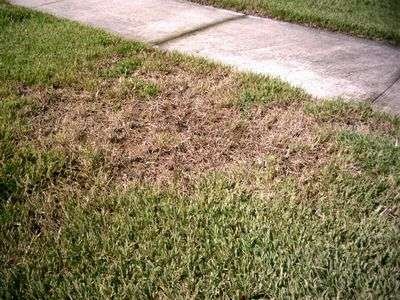
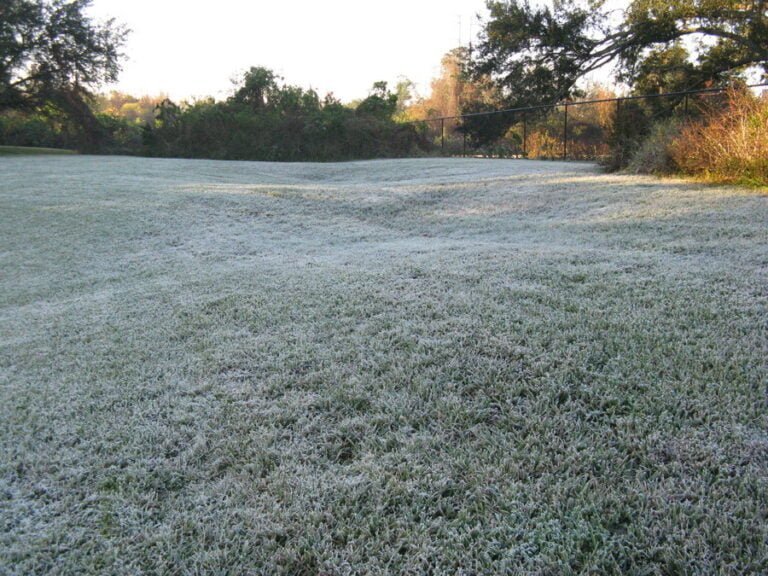
A chinch bug will suck the sap out of the roots and the stems of the grass. At first areas with chinch bug damage will begin to turn yellow in color as irregular patches, then turn reddish brown. Blades start to curl up looking grayish and dead, roots die off as they continue sucking out the juices.
Chinch bugs work their way through the healthy turf. The chinch bug loves to live in dry sunny areas that have heat or drought stress. They are found in the middle of a lawn or near and along driveways and sidewalks working outward. As soon as there is chinch bug damage immediate insect control is needed. Chinch bugs treatment will stop them from spreading.
Description & Development of the Chinch Bug
 Chinch bugs lay their eggs and hatch in as little as one week during the summer. First, they appear as bright orange in the Nymph stage, turning dark red as they begin to mature.
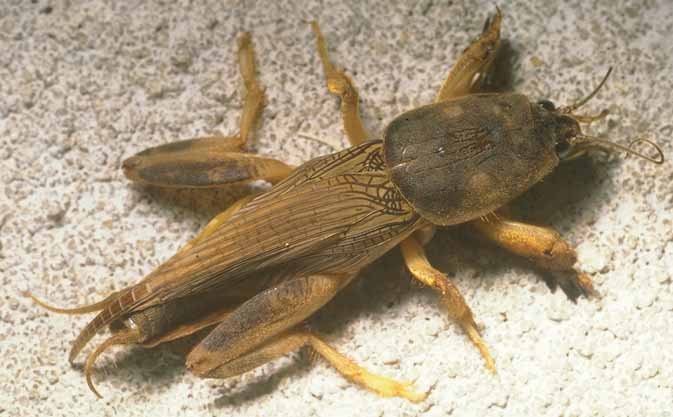
When fully matured and reaching the adult stage they are one-fifth of an inch in length, black with white wings on their back. During this stage with no chinch bug control, they will do the most damage and can fly to other locations on the lawn.
Monitoring for Chinch Bug Damage
 When exposed to the sun a chinch bug will run to get out of it and you can see them. In heavy infestations, they can be seen crawling over the blades.
If you don’t find any chinch bugs it could be a sign of lack of water. I recommend treating extreme dry areas that have become noticeable with chinch bug control. Dry areas is where they tend to lay their eggs.
How to Get Rid of Chinch Bugs
The best way to get rid of Chinch bugs is to treat them with liquid TALSTAR insecticide, soaking the area in and around them.
Granular does work but needs to be thoroughly watered in right away. Blanket treating your lawn is helpful for chinch bug control but there is no guarantee they will not pop up.
Monitoring your lawn on a regular basis and knowing how to identify the problem is the best method for control. Following proper lawn maintenance like watering, mowing, and fertilization can reduce the chances of the chinch bug in St. Augustine grass.
Final Thoughts
As you can see at the first sign of damage, chinch bug control is needed. Controlling chinch bugs will stop them from eating up your St. Augustine grass. Knowing how to identify the chinch bug and damage, is the first step in stopping an infestation.

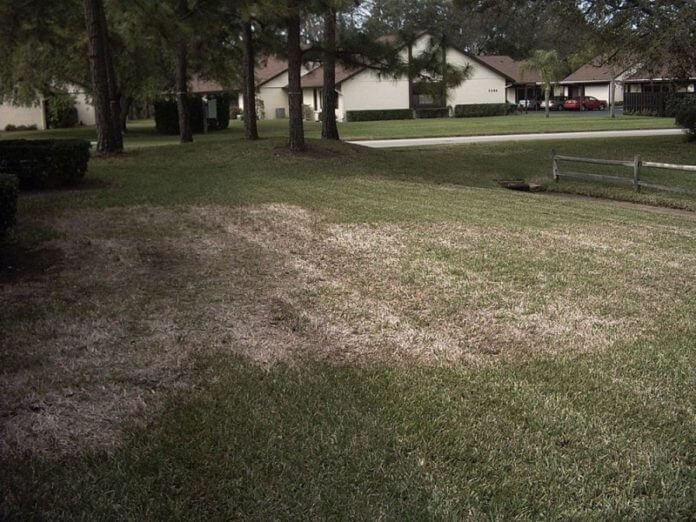

I live in Sarasota, Fl. I have chinch bugs in my front yard and in a small section of my back yard. We have always had a beautiful lawn and now it looks horrible! I have sprayed with an insecticide, twice, and spread granulars, twice, and watered them into the lawn. What is the next step??? Should I start fertilizing? Will I have to replace my yard??? Help!!! Thanks
Alexandra,
I would first check the areas that you treated to see if the chinch bugs were eliminated since eggs could have hatched new ones. If you find any treat area again. My article on Chinch Bug, Insect Control will help you in identifying them. Keep monitoring your lawn to see if any have spread to other locations. Depending on the size of the damaged areas are will determine what needs to be done. If it is a very small area you can fertilize and St. Augustine grass will grow back with new runners from the root system, but will take some time to fill it in. You can also plant grass plugs to replace small areas. For large areas I recommend installing sod. Continue a program of treating your entire lawn with insecticide labeled for chinch bugs every 6 weeks to help control any further insect problems.
Kurt
hello, kurt,
i has read so many of these questions to you, i have my own, my husband will not listen to me and all the lawn lied last year we are only here two and a halt yrs now and have to re do the lawn costing us the money we didnt have, now, my husband have this lawn guy who has been looking after the lawn since febuary and he said there are chinch bugs he showed them to my husband but froma few feet it is now many feets so yelow and browning in the front some and the back loads, please tell me what shall i do and i will do it to save our lawn and stop paying this guy every month and the grass is still dying nearly a yr and nothing getting worst. please help?
Monica,
I fully understand the concerns that you have. You should not have to continue to keep replacing large areas in your lawn. However, even if a lawn is treated by a lawn care company there is no guarantee that problems will not occur, especially chinch bugs. How severe the problems become is determined by certain factors. Some factors to be considered are the following: 1. How often is the lawn serviced? For best results it should be done 8 times a year,(which is usually every 6 weeks). 2. How soon are the problem areas treated after they become noticeable?(the longer left untreated the worst they become). 3. Are the proper chemicals being used to treat the areas to be effective? 4. Are the chemicals being applied correctly? (proper rate of application and coverage)… These are some of the factors that will determine how quick problems are controlled, and stopping areas from becoming large. That is why it is important to hire a reputable state certified professional lawn care company, one that is also licensed and insured. If you are not happy with your service contact the manager and explain your concerns. If you don’t get the response you deserve… find another company. Customer service is most important. Perhaps your local county extension service can help you find a reputable lawn service. If you see lawns in your neighborhood that always look good that are being serviced by a lawn company, when they are treated the company(by law)will put a sign at the edge of the lawn by the street with their phone number on it…call them for an analysis and estimate.
Kurt
The lawn has been destroyed by cinchbugs and I need to resod. Is it save to use the insectivide on the new topsoil? Or will the insecticide kill freshly-laid sod?
Debbi,
Treating the soil with insecticide prior to installing new sod should not be harmful to the new turf. However, I do recommend reading the label before applying the chemical.
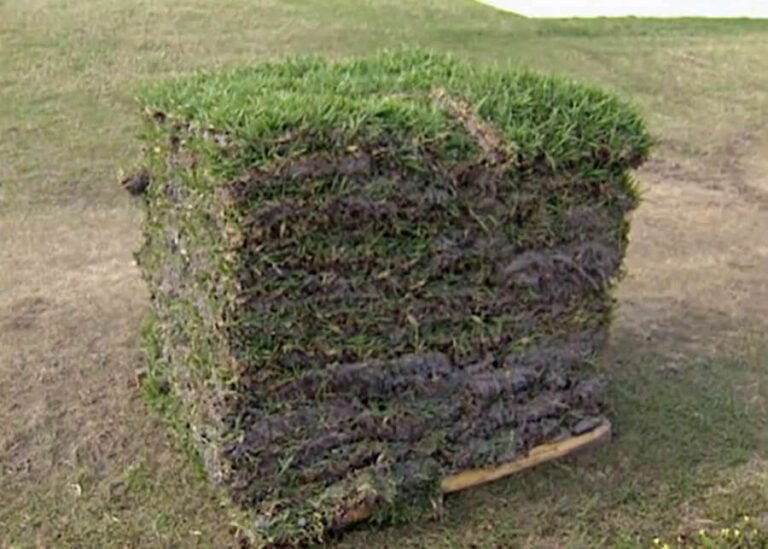
Before planting the new sod make sure all the chinch bugs have been completely eliminated. Sometimes the insecticide might not have killed off all of them, plus some of the eggs might get left behind. It is good sometimes to treat the area a second time. If you are using a liquid insecticide soak the soil thoroughly, and 2-3ft. into the edges of any turf still remaining.
If you apply any weed control (herbicide) or weed and grass killer to the soil, wait 14 days to plant the new sod. Once again, read the label for directions. Do not apply any weed control to new turf for at least 30 days after planting.
Kurt
I am having issues with my St. Augustine grass being infested with ‘Jew’ grass. My lawn service company tells me these are uncontollable weeds and they can’t kill them. They say genetically these weeds are too close to the grass and if they treat with weed killer, it will kill the grass too. But the weeds are taking over the yard very rapidly and I feel there has to be something that can control them. The lawn service says the only thing I can do is remove the weeds and resod costing me thousands of dollars. Is there anything I can do to stop the Jew grass weeds or kill them without killing my grass? Thanks for your assistance!
Nancy,
Here is some information on weed control for lawns that is standard practice by lawn spray companies today.
First, let me explain the two types of chemicals (Herbicides) that are used for weeds and unwanted grasses.
One is considered as a “Selective” Herbicide, which kills off only certain types of weeds(like broadleaf weeds) without harming the lawn grass. The other is a “Non Selective” Herbicide, which will kill off everything both weeds and grass.
Lawn spray companies use a “Selective” Herbicide, so they can treat for weeds without harming St. Augustine grass. However, these chemicals Do Not kill unwanted grasses such as crabgrass, carpetgrass, or what I think you are calling “Jew” grass.
In order to eliminate any unwanted grasses like crabgrass or carpetgrass they need to use a “Non Selective” Herbicide. Unfortunately, if any of these types of grasses are mixed in the St. Augustine and the area is treated everything will die off, including the St.Augustine.
There are granular “Pre-Emergents” that can be put down to keep grasses like crabgrass from growing, but there is no guarantee they will get rid of all the seeds that can germinate. However, they are very effective in stopping over 90% of them. “Pre-Emergents” need to be put down at certain times of the year, usually after winter before springtime begins.
I fully understand your situation for this is a common problem in lawns. I agree it is expensive to remove and replace areas with new sod. Some people put up with it by keeping the lawn mowed all the time so it is not as noticeable, but that does not solve the problem. A healthy thick lawn can choke out a lot the unwanted grass, but it can still get in a lawn just not as bad.
Until chemical companies come up with a product that can be used without harming the lawn, there is not much to choose from that can be done.
The trick in keeping weeds and unwanted grass from taking over, is to treat them before they start to spread. That is one reason to inspect a lawn by walking through it on a regular basis. Early detection can stop any lawn problems from getting out of hand.
Kurt
Hello Kurt,
How often should I spread Triazciede. I spread across the whole yard about 1 month ago as I was told my new St. Augustine sod most likely had chinch bugs. While it hasn’t seem to have gotten any worse, it also hasn’t gotten any better.
Would it hurt to lay a second layer now that a month has passed?
Also, is it damaging to lay fungicide more than once a month?
Thanks,
Ted
Ted,
It is OK to treat the entire lawn with insecticide now that a month has passed. Most lawn care companies generally treat lawns with insecticide every 6 weeks to help control insect problems, you might want to consider doing this as a regular program, especially during the hotter months. However, chinch bugs can pop up between treatments, so it is good to always keep an eye on your lawn for any sign of them. My article “Chinch Bug, Insect Control” has information on how to monitor your lawn for any activity.
If between treatments you suddenly have chinch bugs pop up in small areas, go ahead and put down insecticide at those locations. Having a regular program and spot treating when necessary is the best way to control chinch bugs from spreading and taking over your whole lawn.
You can treat St. Augustine grass with fungicide more than once a month. But you don’t have to treat the entire lawn as a regular program like insecticide. Generally only certain areas in St. Augustine lawns tend to have problems with diseases, this is explained in my article “Lawn Disease”. When the first sign of diseases such as a fungus appears, treatment in that area needs to done as soon as possible. Treat problem areas with two applications 14 days apart. Liquid fungicide works the best. After applying liquid fungicide avoid watering that area for a couple of days.
Since you have had some damage to your lawn from chinch bugs, it might take some time for it to grow back. However, St. Augustine grass spreads faster during hot summer weather, rather than during the winter months. The runners from the roots need moisture to spread, so water the dead areas keeping them wet for the roots to grow into it. You can spread top soil with a little fertilizer around the edges to help the grass grow. If the damaged areas are extremely large then put in plugs or sod to fill in the lawn. But before installing them make sure all the chinch bugs are eliminated. Since you said it has not gotten any worse, that is a good sign you got them.
I hope this information is helpful in keeping your new St.Augustine growing healthy, and from having too many problems.
Kurt
KURT,
this summer I had chinch bugs who damage my backyard, I have 4 chickens and they where working hard by eating them ,but there where to many, now i cleaned the grass up by taking everything out and want to put new sod in.
My question is ,can I put granules for chinch bugs and then put the sod on top or do I have to wait a couple of days?
Elisabeth,
You can apply insecticide to the soil prior to installing sod. However, make sure all chinch bugs have been completely eliminated before laying anything down.
Wait one week after treating the area and see if any existing chinch bugs are still around, and if any eggs have hatched new ones. You might have to treat the area again until they are all gone.
Keep your chickens off the area until after the sod has been installed.
Kurt
Is Talstar safe for pets? I have three dogs. They are indoor dogs who use the backyard mostly. They do however, use the front yard (where we have a severe chinch bug problem) when we take them for walks. Please advise. Thank you.
Katie,
When lawns are treated with liquid Talstar insecticide, it is generally safe for human or pet traffic 24 hours after application. For granular it is the same after it has been watered in.
I do recommend reading the labels of any brand of insecticide product that you apply for information pertaining to this. If you have a lawn spray company contact them for any questions on what product they use and safety.
From my experience I did come across some dogs that were highly allergic to grass or chemicals and the owner had to keep them completely off lawns at all times, but that was very rare and limited to there specific pet. Usually their vet had diagnosed this problem.
Kurt